

The key to avoiding filter bag clogging caused by low-temperature condensation is to maintain flue gas temperature 20–30°C above the dew point, strictly control air leakage, use dry cleaning air, optimize cleaning and insulation systems, and stop moisture condensation at the source.
1. Core Principle: Why Does Low Temperature Clog Filter Bags?
When flue gas temperature drops below the dew point (90–150°C for sulfur-containing flue gas, 45–65°C for general flue gas), water vapor condenses on filter bags or inside the housing. This moisture mixes with dust to form a sticky paste, causing a sharp rise in system resistance and failed cleaning.
2. Complete Anti-Condensation Measures (in Priority Order)
1) Temperature Control: The Most Critical Measure
l Maintain stable inlet temperature to ensure flue gas entering the dust collector is 20–30°C above dew point.
l Increase process temperature where possible to reduce low-temperature flue gas.
l Install preheating devices: steam heat exchangers, electric heaters, or hot air furnaces for automatic heating in low-temperature conditions.
l Preheat before startup: use hot air to warm the housing and filter bags for 10–15 minutes after shutdown.
l Real-time temperature monitoring & alarm: install sensors at inlet/outlet with three-level thresholds (e.g., 110/105/100°C) to activate heating automatically when needed.
2) Insulation & Heat Tracing: Lock in Heat
l Full equipment insulation: housing, ducts, and hoppers insulated with ≥50mm rock wool or aluminum silicate to reduce heat loss.
l Hopper heat tracing: install electric or steam tracing to keep hoppers above 5°C and prevent dust caking.
l Optimized duct design: shorten pipelines, reduce bends, and install automatic drain valves at low points.
3) Strict Air Leakage Control: Block Cold Air Ingress
l Upgrade sealing: use high-temperature gaskets on access doors, flanges, and tube sheets; keep air leakage rate ≤3%.
l Regular leak detection: smoke test or differential pressure test; replace worn seals promptly.
l Negative pressure control: avoid excessive negative pressure and adjust fan speed properly.
4) Dry Cleaning Air Supply: Eliminate Moisture in Cleaning
l Advanced air drying: compressed air treated by freeze drying + adsorption drying to achieve dew point ≤-20°C.
l Air tank drainage: automatic drain valves at the bottom; manual drainage per shift to prevent ice buildup.
l Pipe heat tracing: use electric tracing for cleaning pipes in cold regions.
5) Optimize Cleaning & Operation: Reduce Condensation Risks
l Adjust cleaning parameters: extend cleaning cycles at low temperatures; lower pressure (0.3–0.5MPa) and shorten pulse duration (0.1–0.2s).
l Offline cleaning preferred: avoid mixing hot and cold air streams.
l Standard shutdown procedure: run empty for 15–20 minutes to remove moisture; empty dust and close valves for long shutdowns.
l Filter bag pre-coating: apply lime powder or fly ash before startup to form a 0.5–1mm protective layer for high-moisture or sticky dust conditions.
6) Filter Media & Structure Selection
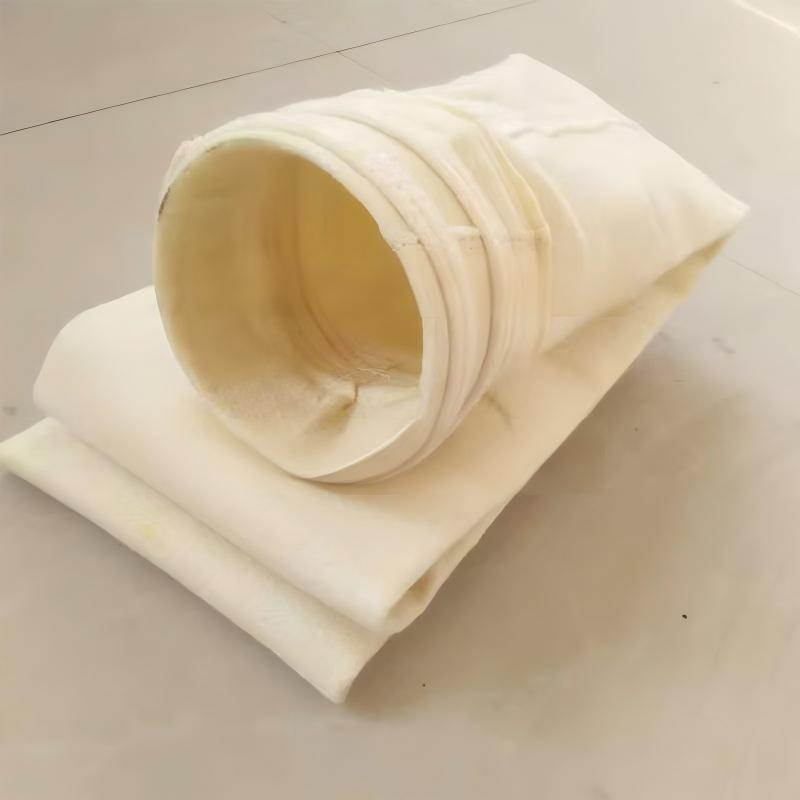
l Anti-condensation filter media: PTFE membrane, PPS, aramid, and other heat-resistant, hydrophobic, easy-cleaning materials.
l Structure optimization: top/bottom air inlet with baffles for uniform airflow; reliable tube sheet sealing to prevent air short-circuiting.
3. Emergency Solutions for Existing Condensation & Clogging
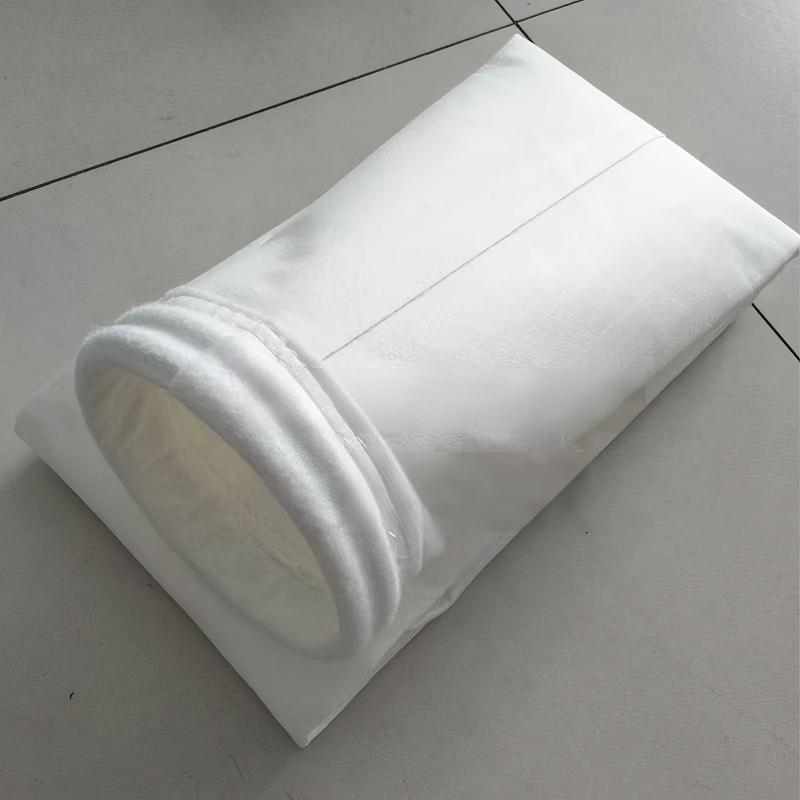
l Heating & drying: gradually raise flue gas temperature within safe limits and dry slowly at low air volume.
l Enhanced cleaning: use low-pressure offline pulse cleaning; avoid high-pressure blasts.
l Manual cleaning: shut down for serious caking; gently clean or low-temperature dry filter bags; replace if necessary.
l Root cause correction: check insulation, air leakage, and air supply; improve temperature control to prevent recurrence.
4. Daily Maintenance Tips
l Daily: check temperature, differential pressure, heat tracing, and drainage.
l Weekly: clean dust buildup and inspect for caking or hardening.
l Monthly: inspect insulation integrity, repair damage, and calibrate sensors.
l Before winter: fully overhaul sealing, heat tracing, and cleaning systems.
Want to know more? Contact us to get the answers you need.
Ms Yanice Yu
Qingdao Star Machine Technology Co.,Ltd.
Whatsapp/ Wechat ID: +8617852092959
Email:Yanice@starmachinechina.com
Copyright © 2025 Qingdao Star Machine Technology Co., Ltd. All Rights Reserved. Powered by HiCheng

